What Are Fuses and Circuit Breakers?
Both fuses and circuit breakers act as safety valves for electrical systems. When the current flowing through a circuit exceeds safe limits, these devices interrupt the flow of electricity to prevent overheating, equipment damage, and electrical fires.
Fuses: Simple and Effective
A fuse is a single-use protective device containing a metal wire or strip that melts when excessive current passes through it.
-
How it works: When an overload or short circuit occurs, the heat generated melts the internal filament, breaking the circuit (“blowing” the fuse).
-
Resetting: Fuses cannot be reset; once blown, they must be physically replaced with a new fuse of the exact same rating.
-
Common uses: Frequently found in older homes, electronics, industrial machinery, automotive applications, and specialized high-voltage equipment.
Circuit Breakers: Reusable and Advanced
A circuit breaker is an automatically operated electrical switch designed to protect an electrical circuit from damage caused by excess current.
-
How it works: Circuit breakers utilize electromechanical mechanisms (such as bimetallic strips or electromagnetic coils) to detect overcurrent conditions and physically trip open the switch.
-
Resetting: Unlike fuses, circuit breakers can be manually or automatically reset after tripping once the underlying fault is cleared.
-
Common uses: Standard in modern residential electrical panels, commercial buildings, and industrial power distribution grids. Modern breakers often include specialized protection, such as AFCI (Arc-Fault Circuit Interrupters) to detect sparking risks and GFCI (Ground-Fault Circuit Interrupters) to protect against shock hazards.
Risks of ignoring professional Maintenance
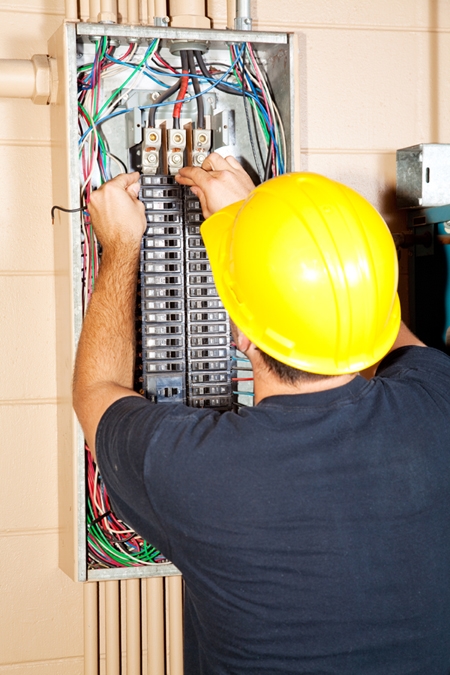
Because circuit breakers and fuses sit silently inside panels and control switchboards, it is easy to assume they will work flawlessly when needed. However, mechanical wear, thermal expansion, corrosion, contamination, and aging can compromise their ability to function.
Attempting DIY maintenance or ignoring routine servicing by licensed electricians can lead to severe operational and safety issues:
1. Electrical Fires
The primary purpose of fuses and breakers is fire prevention. Over time, internal contacts in circuit breakers can weld shut due to high heat or arcing, preventing the breaker from tripping during an overload. When electricity continues to flow unrestricted through overloaded wires, insulation melts, causing catastrophic electrical fires.
2. Equipment and Appliance Damage
If a fuse or breaker fails to trip during a power surge or short circuit, delicate machinery, high-value electronics, and commercial equipment receive full exposure to overcurrent conditions. This can result in permanent equipment destruction and costly operational downtime.
3. Arc Flash and Explosion Hazards
In industrial and commercial settings, high-voltage equipment presents a risk of arc flash—a sudden, violent release of energy caused by an electric arc. Untrained personnel attempting to service panels or replace high-voltage fuses without proper Personal Protective Equipment (PPE) and arc-flash training risk severe burns, acoustic trauma, or fatal injuries.
4. Incorrect Sizing and “Bypassing”
One of the most dangerous DIY errors is replacing a blown fuse or breaker with one of a higher amperage rating, or replacing a fuse with an improper conductor (such as a wire or copper pipe). If a circuit designed for 15 amps is forced to carry 30 amps because of an oversized breaker, the wiring behind the walls will overheat long before the safety device trips.
5. False Tripping and Power Instability
Corroded terminals, loose connection points, or aging internal springs can cause breakers to trip unexpectedly under normal electrical loads. Unplanned outages lead to lost productivity, corrupted computer data, and unnecessary wear on sensitive equipment.
What Does Professional Maintenance Involve?
Trained, licensed electrical professionals perform comprehensive maintenance that goes far beyond a simple visual check:
-
Thermal Imaging (Thermography): Using infrared cameras to detect hot spots caused by loose connections or overloaded circuits before failure occurs.
-
Contact Resistance & Insulation Testing: Measuring internal electrical resistance to ensure clean current flow and verify insulation integrity.
-
Mechanical & Trip Testing: Exercising breaker switches to prevent mechanical seizure and testing trip response times against manufacturer specifications.
-
Panel Cleaning & Torquing: Removing dust, debris, and moisture while re-torquing electrical connections to specified engineering standards.
-
Compliance Checks: Ensuring panel configurations meet local electrical codes and occupational health and safety standards.
Conclusion
Circuit breakers and fuses are the quiet guardians of your electrical system. While they are built to last, they are not maintenance-free. Partnering with certified electrical professionals from Mighty Mike’s for regular inspections, thermal scans, and preventive testing ensures your safety devices react instantly when disaster strikes—protecting lives, property, and valuable equipment. To learn more about the fundamentals of circuit breakers check out this article from Eaton.
- Mikey Mike came out to replace two new toilets! They brought them in and installed them in one morning! These toilets will be under warranty with them as well!
They were professional and efficient!
The best I have dealt with.
I would recommend! … More
